


Matched to your undertone

One step. Full look.
Skincare that tints
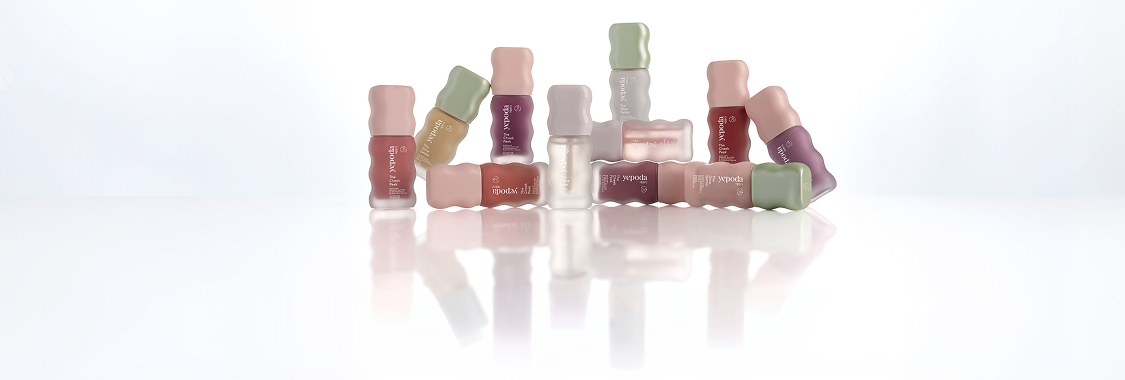
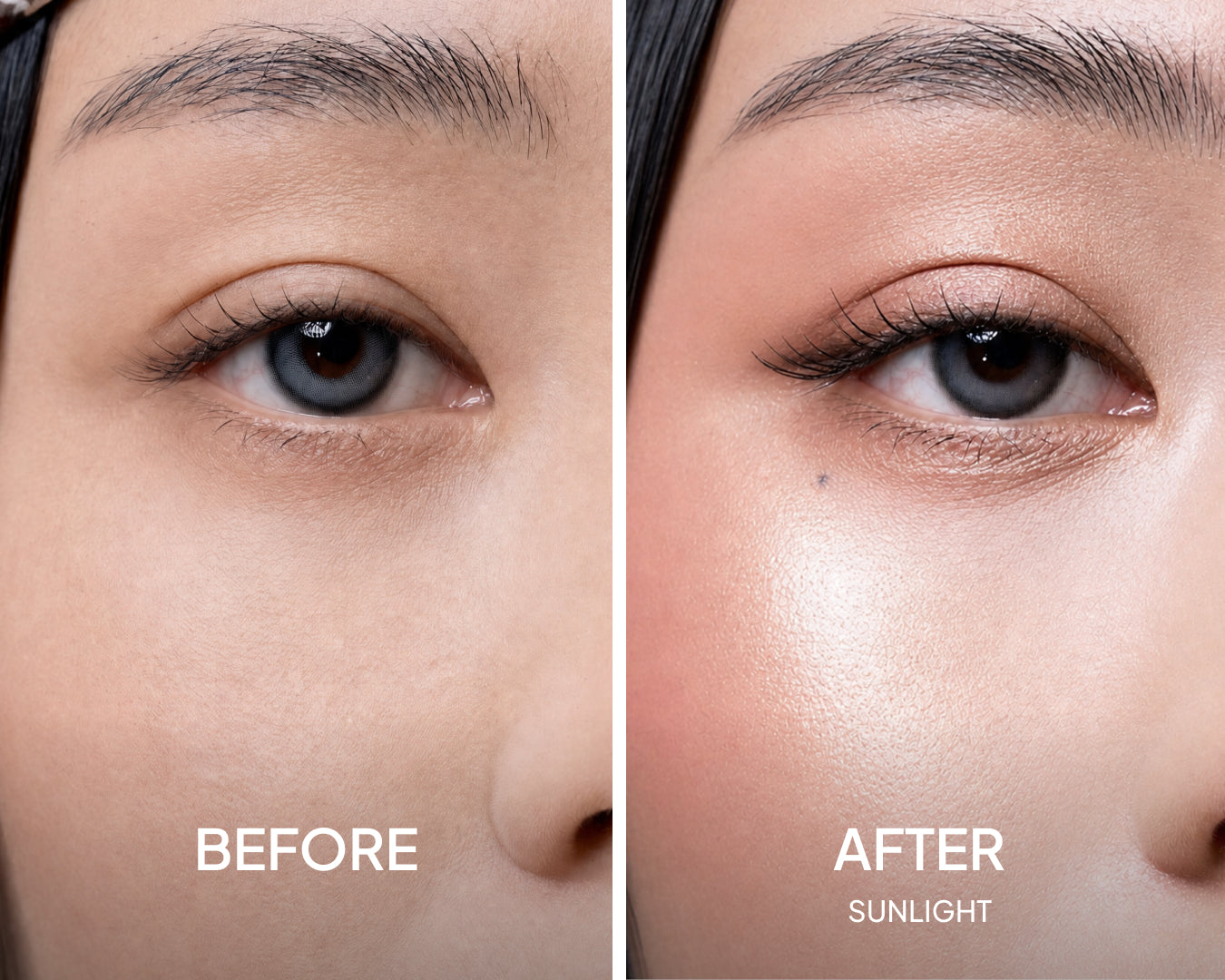
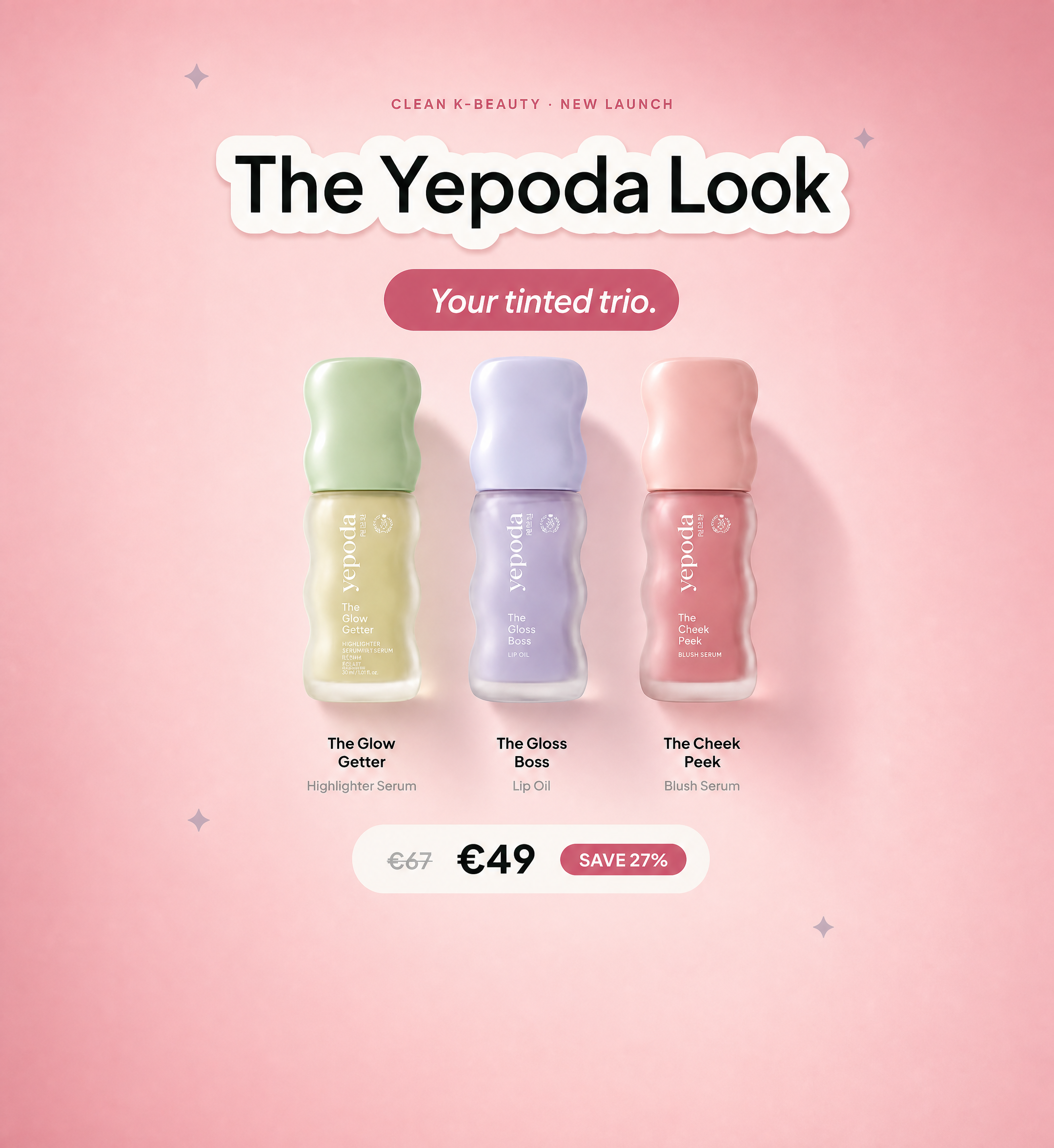
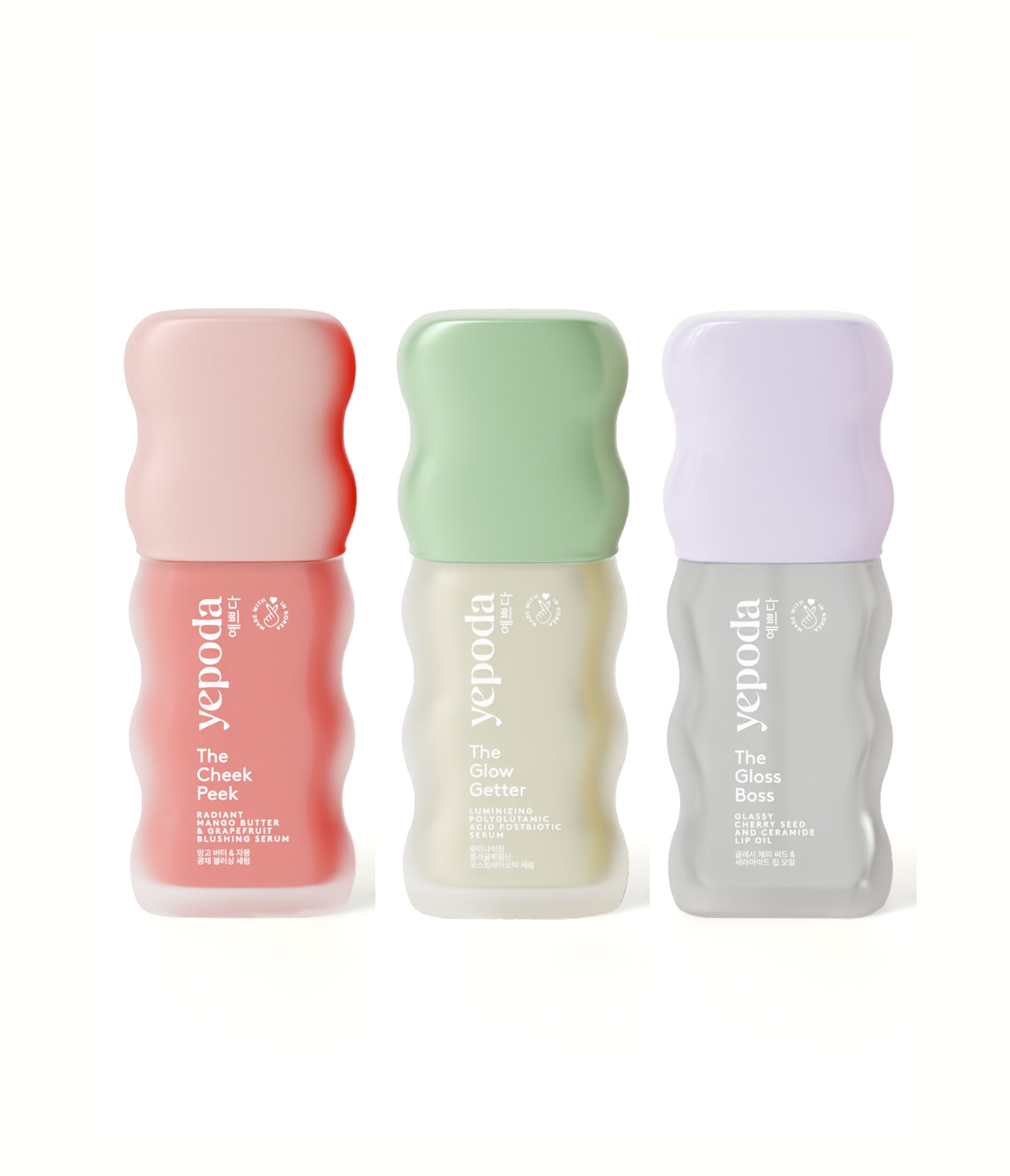
Our tinted trio.
Sold Out
THE YEPODA LOOK
NEW
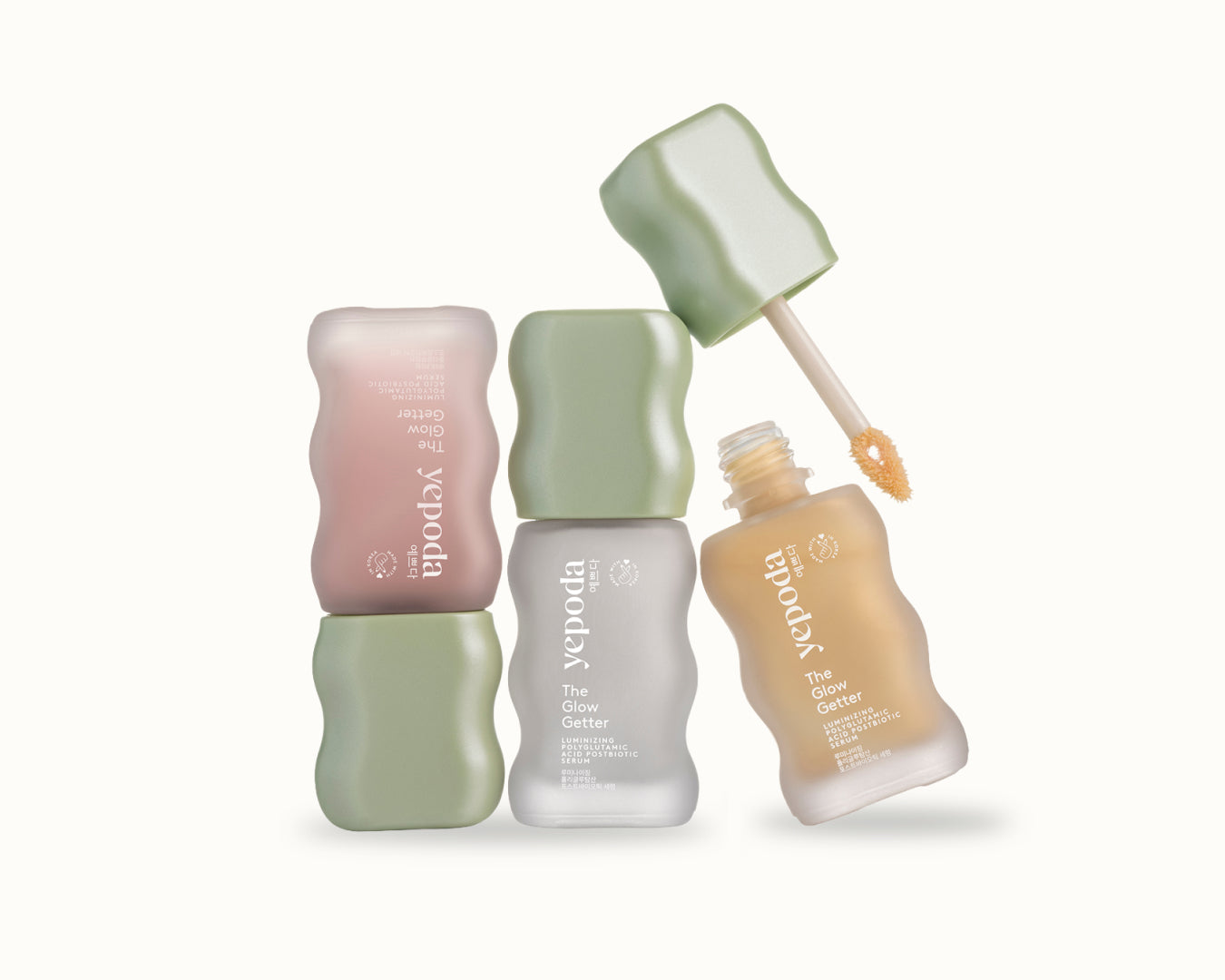
The Glow Getter
Sold Out
THE YEPODA LOOK
NEW
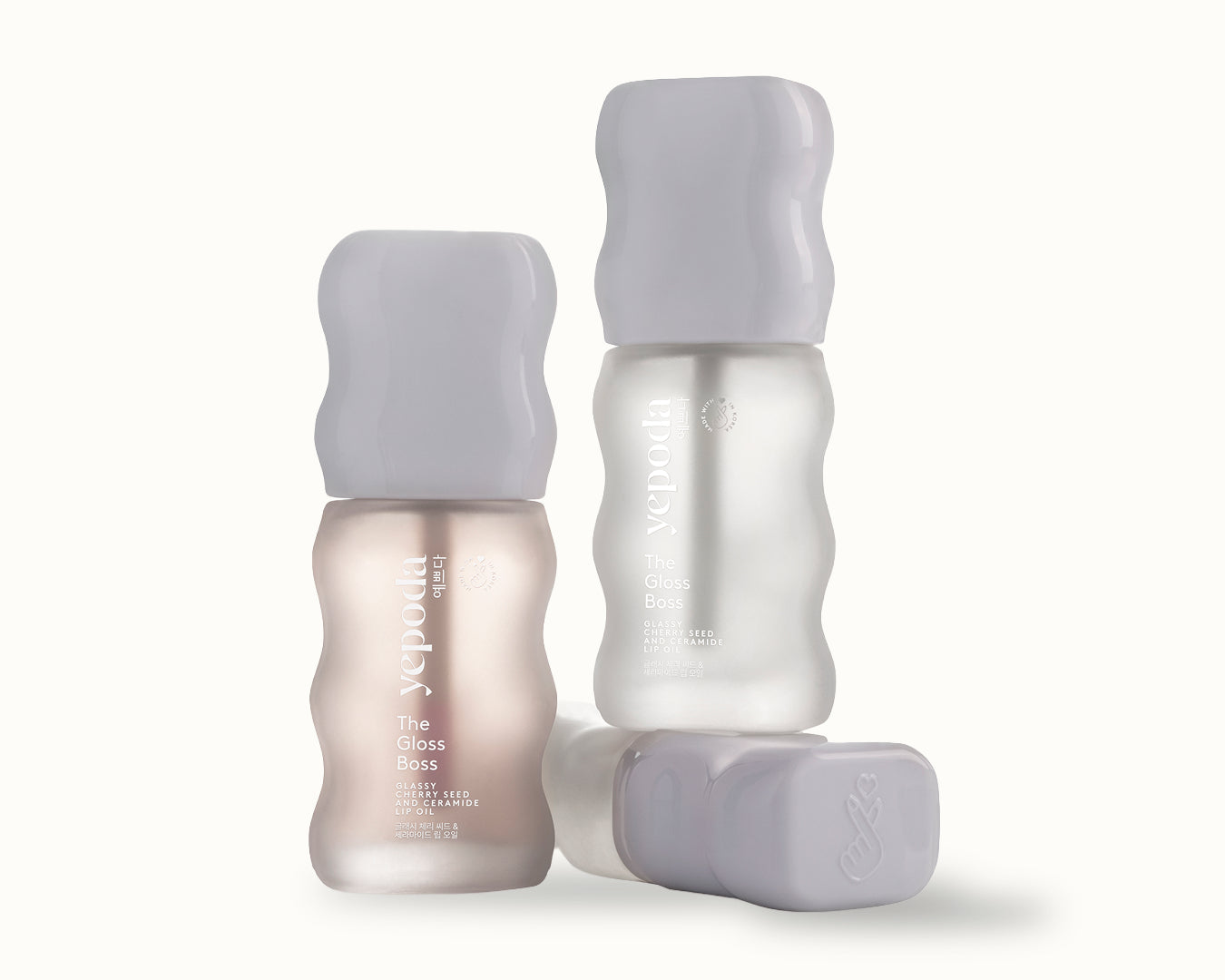
The Gloss Boss
Sold Out
THE YEPODA LOOK
NEW
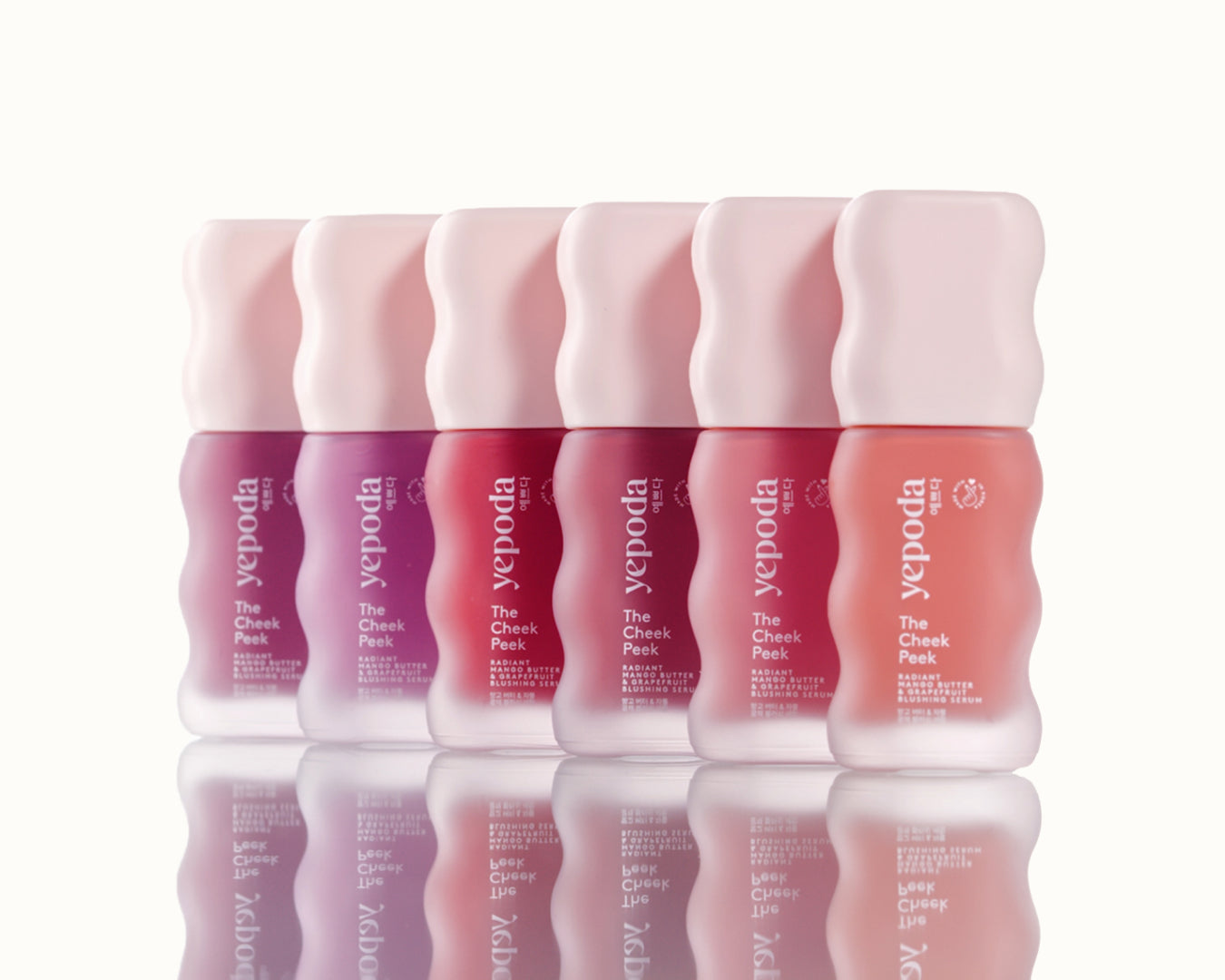
The Cheek Peek
SAVE 27%
Sold Out
NEW
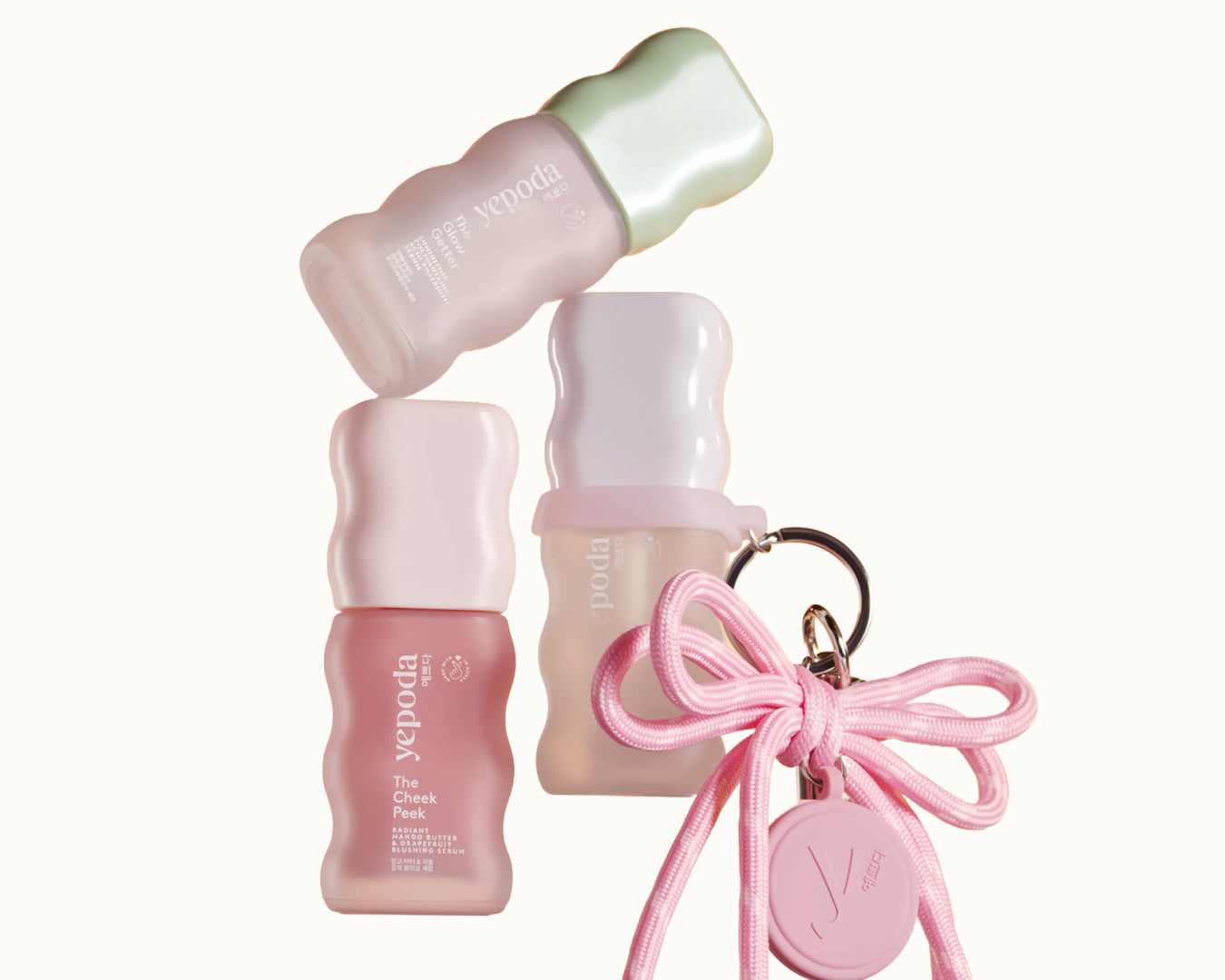
The Yepoda Look Set
찾아보다
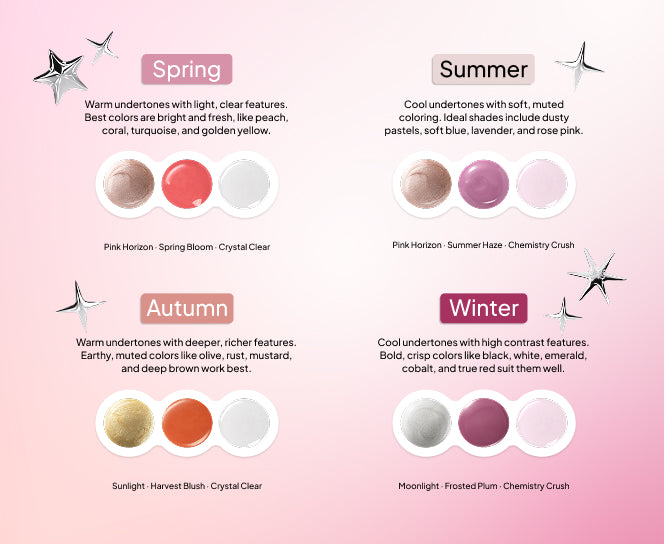
Learn more about Color Season Theroy
What's there to know?
What Are Color Seasons?
Seasonal color analysis is a practice that involves categorizing people into seasonal color palettes based on their eye, skin, and hair color. There are four main color seasons: Spring, summer, autumn, and winter. Each season is further divided into three subcategories based on your skin’s underlying hue (warm, neutral, or cool)and the amount of contrast between your features (low, medium, or high).
Color season subcategory factor: Hue
Hue refers to your overall undertones, which can generally be classified as warm, neutral, or cool. Those with warm skin typically have yellow or gold undertones, while those with cool skin boast pink or bluish undertones. If you have neutral skin, you’re neither warm nor cool, but somewhere in the middle.
Color season subcategory factor: Contrast
Contrast refers to the difference in color between your skin, hair, and eyes. High contrast means that your skin, hair, and eyes are all starkly different shades—for example, you have naturally fair skin with dark eyes and hair. If you’re low contrast, your skin, eyes, and hair are all similar in tone. Medium contrast is the middle ground—your features stand out, but the contrast isn’t significant.